
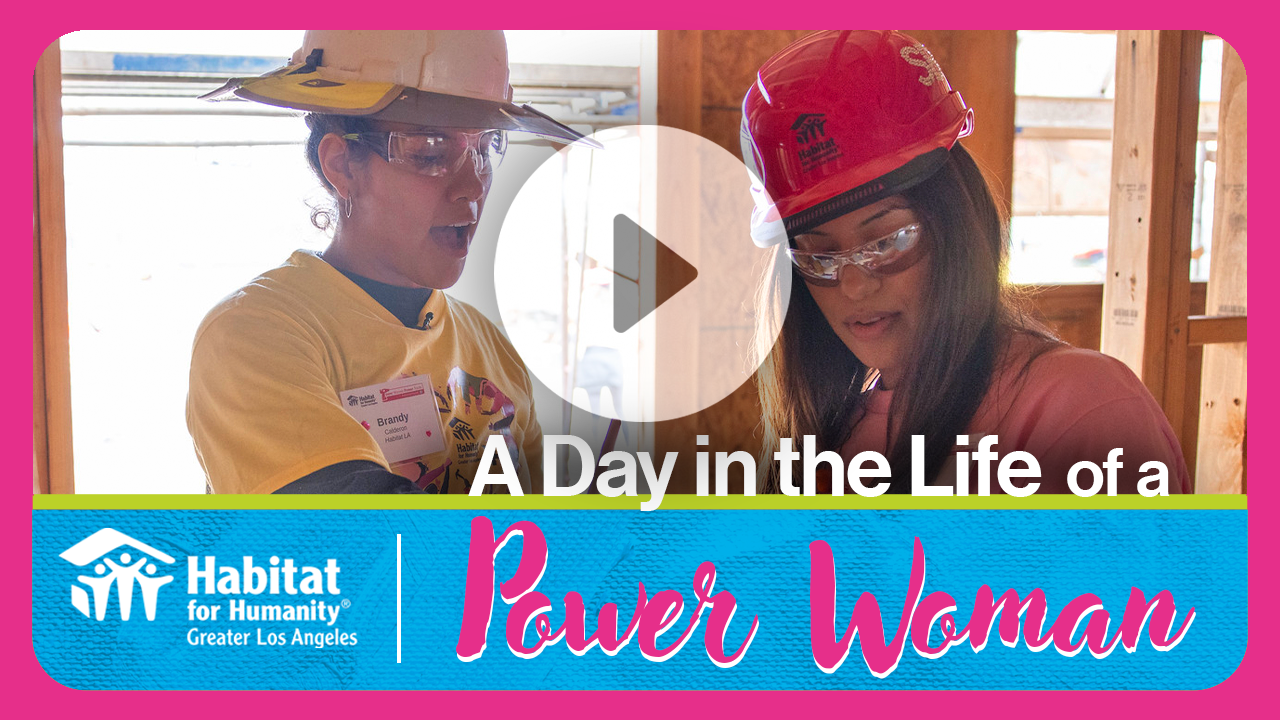
On construction sites across Los Angeles, more women are picking up power tools! It demonstrates the impact women can make on build sites and underlines how vital women in skilled trades are to the future of construction.
At a time when the region faces both a severe housing shortage and a growing labor gap, women are stepping into careers that offer stability, purpose and opportunity.
Although most women in construction are in administrative or office roles, more women are entering the skilled trades. According to a CNBC analysis, since 2006, the number of skilled women electricians and carpenters increased by 32% and 17%, respectively.
Source: U.S. Bureau of Labor Statistics via FRED®
Women are still underrepresented in the trades — but that’s changing quickly. If you’re curious about a long-term career as a skilled tradeswoman, here’s what to know.
3 Ways Women Can Get Started in the Skilled Trades
Whether you’ve always envisioned a trade career for yourself, are transitioning careers, or simply want to learn more about , these resources can help.
1. Trade-focused scholarships
Scholarships and grants for women in skilled trades can help ease financial friction as you train for your trade. This is particularly helpful if you’re an experienced professional who’s considering a major career transition.
Corporations, trade organizations, and industry associations offer various scholarships to help pay for trade school and equipment, and aid doesn’t need to be repaid. For example, the DEWALT Trades Scholarship is available to those who are entering a qualifying construction training program.
Search free student aid databases, like FastWeb.com, to find more scholarships that can partially or fully fund your trade program.
2. Apprenticeship programs
Apprenticeships are one of the most accessible pathways into the skilled trades. These programs combine classroom instruction with paid, hands-on experience under the guidance of experienced professionals.
According to California Career Center, a career and college exploration resource through the California Department of Education, apprenticeships take three to six years, depending on the program. During the program, apprentices typically earn approximately half of a skilled worker’s salary and are eligible for regular raises.
Other types of apprenticeships include:
- Pre-apprenticeships. A shorter program that helps prepare you for a full apprenticeship program. Pre-apprenticeships can be paid or unpaid but might be a useful way to see if the trades are a fit for you.
- Non-registered apprenticeships. Informal trade apprenticeship programs can be found through employers, and specialized industry sites.
Find pre-apprenticeship and registered trade apprenticeship programs through the California Division of Apprenticeship Standards page, or national Apprenticeship Job Finder tool.
3. Mentorship and networking groups
A solid support system can provide valuable encouragement, resources, and even future career opportunities along your skilled trades journey.
“I had a female leader [in construction] ahead of me who really inspired me…,” said Bethy Cobabe, Vice president of Construction at Habitat for Humanity of Greater Los Angeles. “Within [my] first week, I thought — ‘I want to be her. I want to be leading the site — I want to be in charge and work toward that.’”
Whether you’re looking for mentorship with a successful, skilled tradeswoman or just want to meet other women navigating careers in construction, there are organizations that can help.
- Tradeswomen, Inc. This California-based organization supports women in skilled trades with programs, networking events, and mentorship opportunities. Learn about Tradeswomen’s programs and how you can get involved.
- Tradeswomen Ran Association for Diversity and Equity (T.R.A.D.E.). T.R.A.D.E. is a grassroots nonprofit organization based in Los Angeles. It creates opportunities for local tradeswomen to connect, build community, and break down barriers in their trades together. Learn more about T.R.A.D.E.’s upcoming events.
- The National Association of Women in Construction, Los Angeles (NAWIC LA). NAWIC LA unites women across all areas of the construction industry. It offers education, networking, industry insights and news, and a safe place to build camaraderie among its fellow members.
Why More Women Are Choosing Careers in Construction
Careers in construction offer many advantages that can be hard to find elsewhere. As a woman in skilled trades, you can:
- Earn as you learn, no prior experience required.
- Receive competitive pay — the construction pay gap between men and women is 4.7%, versus the national 17.0% average gap across all industries.
- Meet soaring industry demand for 456,000 new skilled construction workers in 2027 to keep pace with construction needs.
- Avoid high student debt thanks to registered trade apprenticeship programs.
- Start your own business after gaining experience in specialty trades.
- Find meaningful, tangible work — nearly 90% of tradespeople reported career satisfaction.
Busting Myths About Women in Construction
Despite growing opportunities, outdated stereotypes still discourage some women from exploring careers in construction.
“I need prior experience.”
In skilled trades, everyone starts somewhere. Many registered apprenticeships are designed for those who have little-to-no technical experience in
“The work is too physically demanding.”
Advancements in construction tools and equipment make trade and construction careers more accessible to those with diverse strengths and abilities. For example, material lifts and powered hoists can move heavy building materials with less physical strain.
“Construction isn’t welcoming to women.”
More employers, trade associations and apprenticeships are actively working to make the industry more inclusive, because women are that essential to filling the workforce with skilled tradespeople.
To those with big dreams of working in construction, here’s the advice that Brandy Calderon, construction crew leader at Habitat LA, shared:
“I would say go for it, because it’s very inspiring to see another woman on the field,” encouraged Brandy Calderon, construction crew leader at Habitat LA, adding that women can bring a lot of value to the job site. “We need [women’s] ideas, skills, and perspective on the field. They want to say it’s a man’s field, but it’s really not.”
Why More Women in the Skilled Trades Matters
Experienced journey- and master-level tradespeople are retiring from the workforce, but the need for more affordable housing in greater Los Angeles and nationwide continues to grow. Skilled tradeswomen who contribute their perspective, unique problem-solving approaches, and experience are essential to filling this workforce gap.
Events like Power Women, Power Tools® introduce more women to the possibilities available in construction while women-focused trade scholarships and trades associations for women help support their journey in the field.